
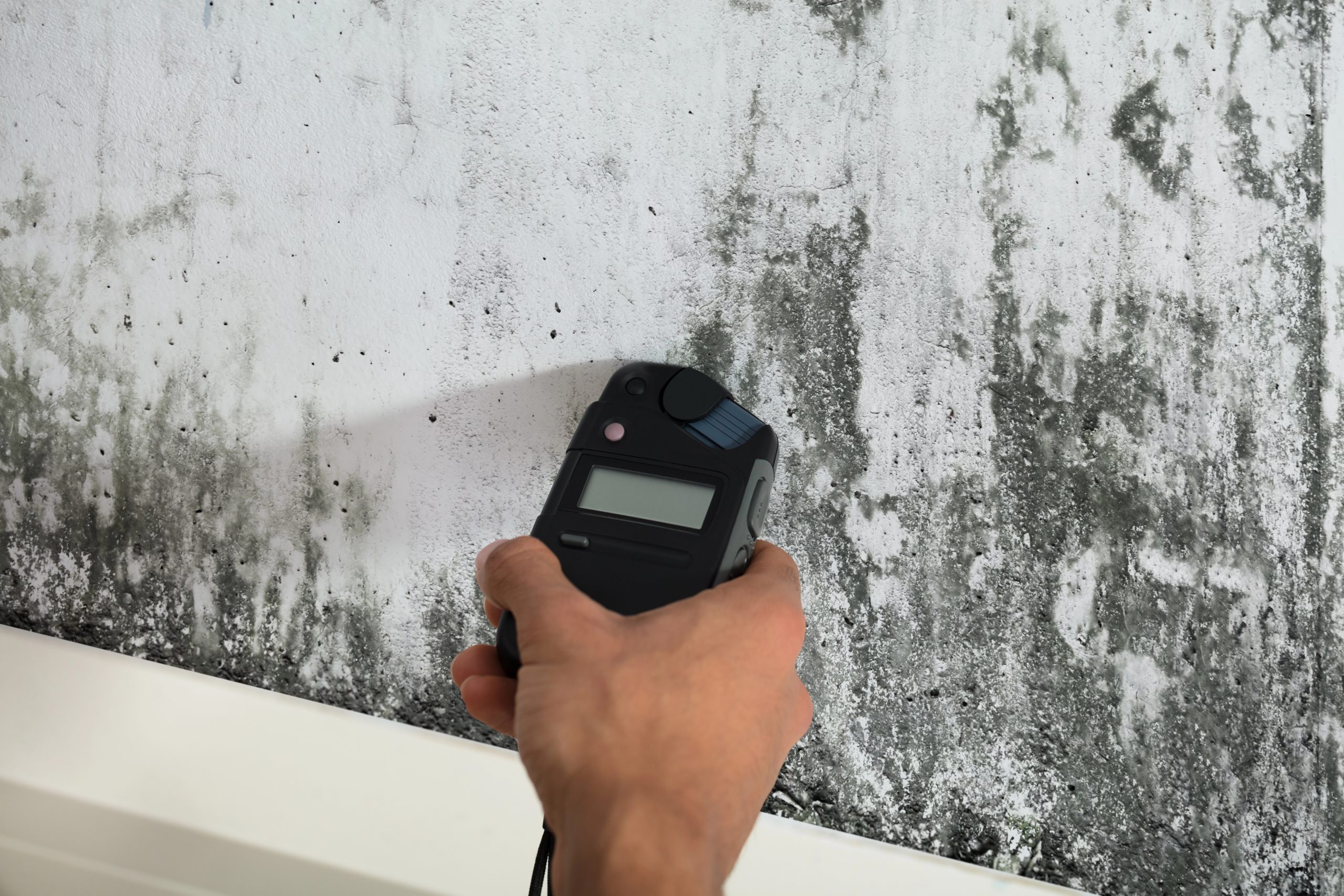
YYC Asbestos Removal & Renovation recommends asbestos testing Calgary homeowners often skip until it is too late. The right time is at the start of any renovation plan, not after the sledgehammers come out. Materials installed before the early 1990s can look completely ordinary while still containing asbestos fibres. There is no way to tell from a visual inspection alone. A lab-confirmed test result gives homeowners, contractors, and trades a clear answer before walls, ceilings, or flooring get disturbed. Skipping this step is one of the most common and most avoidable mistakes in older-home renovations.
Why Asbestos Testing Calgary Renovations Depend On Comes First
A renovation timeline built around demolition day rarely leaves room to pause for lab results. That is exactly why testing needs to happen weeks earlier. Once a permit is in hand and trades are booked, discovering asbestos mid-project forces a stop-work moment. That moment ripples through every other scheduled task. Building testing into the earliest planning stage keeps the whole project on track.
Lenders, insurers, and permit offices increasingly expect documentation showing that a technician checked the pre-renovation building for hazardous materials. Having that report on file protects a homeowner well beyond the renovation itself. It can matter at resale too, when a buyer’s inspector or lawyer asks whether anyone ever assessed the property.
What a Professional Testing Visit Involves
A technician visiting a Calgary home does far more than glance at a ceiling. Samples are taken from multiple suspect materials, logged carefully, and sent to an accredited lab for analysis rather than assessed on-site by eye.
- A walkthrough to identify materials likely to contain asbestos based on the home’s age and construction
- Careful sample collection designed to minimize fibre release during the process
- Chain-of-custody documentation so results can be tied to the exact material tested
- A written report identifying which materials tested positive and where they were found
- Recommendations for next steps, including abatement if results come back positive
Testing Methods Compared
Homeowners sometimes ask whether a quick DIY kit can replace a professional visit. Both options exist, but they are not equivalent in reliability or safety.
| Method | What It Involves | Best Suited For |
|---|---|---|
| Professional site sampling | A trained technician collects and labels samples for lab analysis | Any suspected asbestos-containing material before renovation |
| DIY test kits | Homeowner collects a sample and mails it to a lab | Very limited situations with low disturbance risk |
| Visual inspection only | No sampling, based on appearance alone | Not reliable for confirming or ruling out asbestos |
Professional sampling remains the standard. It pairs proper collection technique with accredited lab analysis, which reduces both exposure risk and the chance of a missed result.
What to Look for in an Asbestos Testing Calgary Provider
Not every company offering testing services follows the same standards. It helps to know what separates a reliable provider from one cutting corners. Look for a company that sends samples to an accredited third-party laboratory rather than relying on an in-house visual call. Lab analysis is the only way to get a defensible result.
A trustworthy provider also explains the process clearly before starting. They provide a written report with clear findings and can speak to what happens next if a sample comes back positive. Vague answers about methodology, or a reluctance to provide documentation, are worth treating as a warning sign.
Certain renovation and maintenance scenarios also raise the odds of encountering asbestos-containing material. Homeowners in these situations should treat testing as a standard first step rather than an optional extra:
- Removing or sanding a textured ceiling installed before the early 1990s
- Replacing old vinyl flooring or the adhesive underneath it
- Opening walls or ceilings in a home built before 1990
- Renovating a basement with visible pipe wrap or boiler insulation
- Preparing for a demolition or major structural renovation
What the Results Mean for Your Project
A negative result on every sampled material means a renovation can typically proceed as planned. It is still worth confirming that testing actually covered all suspect areas. A positive result does not mean a project stops. It means abatement needs to happen before anyone disturbs the affected material further. Reviewing our asbestos abatement services helps homeowners understand what comes next once a positive result arrives.
Alberta requires contractors to report certain asbestos abatement projects to the province before work begins. The provincial notification process outlines exactly when that applies. A licensed contractor handles this step as part of a compliant project. It still helps for homeowners to know the requirement exists and to ask their contractor directly whether a given job qualifies.
Planning Testing Around Older Home Features
Homes with popcorn ceilings, vermiculite attic insulation, or original vinyl flooring carry a higher likelihood of positive results. Testing should focus there first. Readers researching common places asbestos might be hiding will notice the same materials appear again and again across Calgary’s older housing stock. Targeting those areas during a testing visit produces faster, more useful results than a broad, unfocused sweep of the entire home.
The age of a home is one of the strongest indicators of risk, though it is not the only factor. Homes that went through a partial renovation decades ago sometimes have a mix of original and replacement materials. That mix means one room can test clean while another tests positive. A technician familiar with local building history knows which areas of a Calgary home tend to warrant the closest look.
Seasonal timing matters less for the testing itself than for scheduling around a broader renovation, since indoor sampling can happen at any time of year. Coordinating the visit early still gives homeowners the most flexibility to plan contractors, permits, and any necessary abatement around the results.
Frequently Asked Questions
How soon before a renovation should testing happen?
Ideally several weeks before demolition begins, so lab results come back before a homeowner finalizes permits or books trades. Waiting until the week of demolition often forces significant delays.
Does a positive test always mean I need full abatement?
Not always. Some positive results only affect a small, isolated area, while intact material that will not be disturbed may simply need to be documented and left in place. A licensed contractor reviews the report and recommends a proportionate response.
How long do lab results typically take?
Turnaround varies by lab and sample volume, but many results come back within a few business days. Rush options exist for time-sensitive projects.
Can I renovate while waiting for results?
Work involving the tested materials should pause until results are back, though unrelated tasks elsewhere in the home can often continue. A contractor can help sequence the project around the wait.
Is testing required by law in Calgary?
Certain abatement and demolition projects require notification to the province, and many permit offices expect documentation showing a technician assessed hazardous materials. A licensed contractor can confirm what applies to a specific project.
Contact YYC Asbestos Removal & Renovation
YYC Asbestos Removal & Renovation provides accredited asbestos testing across Calgary and nearby communities. Call 403-390-5581 or email info@asbestosremovalcalgary.ca, Monday through Saturday, 8:00am to 5:30pm.