
Safe Renovation Practices are the most important part of planning a kitchen or bathroom remodel in an older Calgary neighborhood. We understand that the excitement of choosing new cabinets and tiles often overshadows the boring details of what is hidden behind the walls. Our team observes that houses built before 1990 frequently contain hazardous materials in the drywall tape, floor tiles, and even pipe insulation. Because these materials were legal and common for decades, they are present in almost every renovation project in the city. We want to teach you how to identify these risks before you swing a sledgehammer and release dust into your home. Consequently, following a “test first, break later” rule will save you from expensive decontamination costs and health worries. We believe that a smart renovation is a safe renovation for your entire family.
Identifying Hidden Hazards in Drywall
Most people do not realize that the drywall sheets themselves are usually safe, but the “mud” used to join them together often contains mineral fibres. We find that this joint compound was used on every wall and ceiling to hide the seams between boards. When you demolish a wall, the compound shatters into a very fine white powder that spreads through your house like smoke. Furthermore, this dust can get into your furnace ducts and be blown into every room every time the heat turns on. Our team suggests taking samples from several different areas of a room because different compounds may have been used during past repairs. Knowing exactly what is in your walls allows you to choose the right protection for your demolition crew.
Managing Old Vinyl Flooring Risks
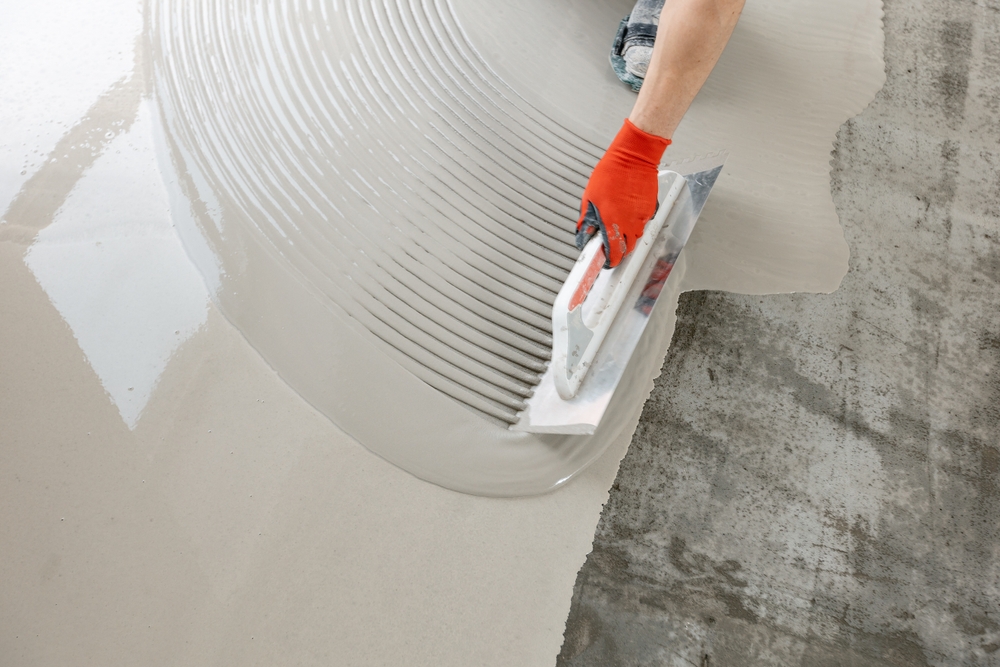
Older vinyl floor tiles and the black glue used to stick them down are very common sources of environmental hazards. We see that these nine-inch tiles were built to be incredibly tough, which means they contain high concentrations of binding fibres. If you try to pry these tiles up or sand them down, you release dangerous dust from both the tile and the adhesive underneath. Moreover, many homeowners try to install new flooring directly over the old stuff, which can be safe if the old floor is not crumbling. However, if you need to level the subfloor, the old tiles must be removed carefully to avoid a major health hazard. Our team uses specialized heat tools and wetting agents to remove these tiles without breaking them into pieces.
Protecting Pipe and Duct Insulation
In many older basements, you will find white, chalky wrap around the heating ducts or water pipes. We find that this “paper” or “tape” insulation is often nearly pure mineral fibre and is extremely fragile. Because these pipes are often tucked away in dark corners, they can easily be bumped or crushed during a renovation. Consequently, the white powder falls onto your storage boxes or workbenches where it can be easily disturbed later. Our team recommends checking all exposed plumbing in your utility room before you begin any construction work. If you see any white wrapping that is fraying or falling apart, you should avoid touching it and call for an inspection. Keeping these pipes sealed or having the wrap removed professionally is a key part of a safe home.
The Value of a Pre-Renovation Audit
A professional environmental audit is the best way to create a roadmap for your renovation project. We are the Best Asbestos Removal Calgary service providers for helping you identify exactly which parts of your house are safe to tear down. This audit includes taking small samples of various materials and having them tested in a certified laboratory. Furthermore, having a written report protects you if you decide to sell your home in the future, as it proves the renovation was done safely. Our team works with you to prioritize the removal of the most dangerous materials first so your budget stays on track. We want you to enjoy your new kitchen without any lingering fears about what was released during the demo. Please Contact Us to book your pre-renovation safety check today.
FAQ
Why is 1990 the cutoff date for safety?
Around 1990, the use of mineral fibres in common building materials like drywall mud and floor tiles was largely phased out in Canada. Homes built after this date are generally considered much lower risk.
Can I remove my own drywall if I wear a mask?
Standard paper masks do not stop microscopic fibres from entering your lungs. You need a P100 respirator and proper containment to prevent the dust from spreading through your HVAC system.
Is the black glue under my floor dangerous?
The black adhesive, often called mastic, frequently contains high levels of mineral fibres. It is very difficult to remove and should never be sanded or ground down with a machine.
Do I have to test every room in the house?
Yes, because different materials or different brands of mud could have been used in various additions or repairs over the years. Sampling multiple areas is the only way to be totally sure.
What happens if I find dangerous materials?
Don’t panic! Finding these materials is very common. We can help you remove them safely or suggest ways to “encapsulate” them so they don’t pose a risk to your family.