
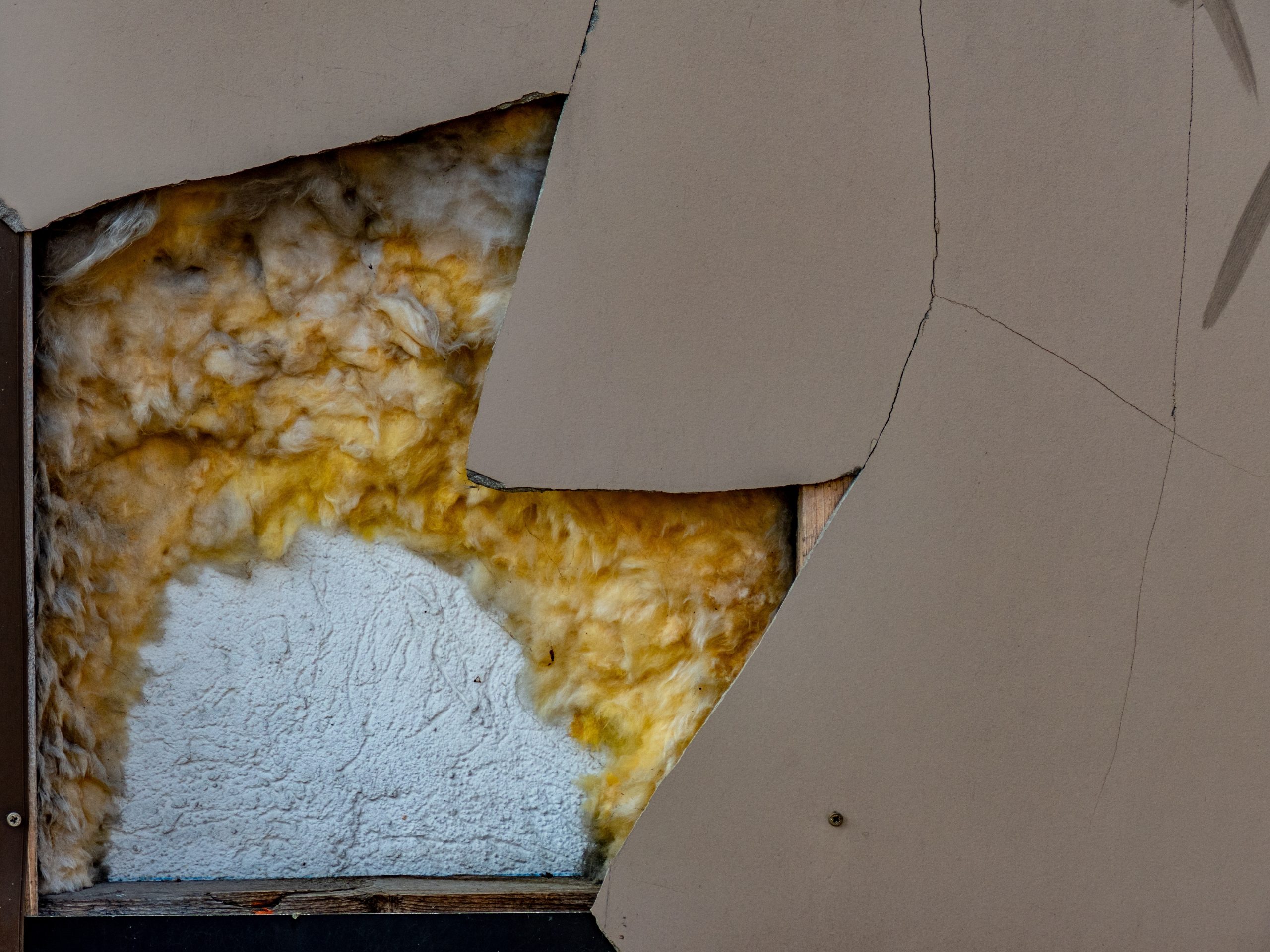
Identifying Dangerous Attic Insulation is a vital step for any homeowner living in a property built before the late 1980s. We understand that your attic often stays out of sight and out of mind until you decide to upgrade your energy efficiency. Our team observes that many local attics contain a specific type of pebble-like insulation known as vermiculite. Because a large portion of vermiculite sold in Canada came from a contaminated mine, these grey or gold flakes often contain harmful mineral fibres. We want to help you recognize the physical signs of this material so you can avoid disturbing it during your next home improvement project. Consequently, keeping these fibres contained is the best way to ensure the air inside your living space remains clean and safe. We believe that every homeowner should treat loose-fill insulation with extreme caution until a laboratory confirms it is safe.
Understanding the Appearance of Vermiculite
Vermiculite insulation usually looks like small, shiny pebbles or accordion-shaped pieces that range in colour from silver-gold to brownish-grey. We find that this material was very popular because it is lightweight and fire-resistant, making it common in Calgary bungalow attics. However, the mineral structure of these pebbles allows tiny, invisible threads to hide deep within the mixture. When you step into the attic or move boxes around, you kick these threads into the air where they can hang for hours. Furthermore, these particles are so small that you cannot see them without a high-powered microscope. Our team suggests looking for these pebble-like textures under newer layers of pink or white fibreglass insulation. If you spot anything that looks like small rocks instead of fluffy wool, you should exit the attic immediately and close the hatch.
The Risks of Disturbing Loose Insulation
The primary danger of vermiculite occurs when the material becomes “friable,” which means it can be easily crushed into a fine powder. We see that even a small breeze from an open attic hatch can send thousands of microscopic particles drifting down into your hallways. Because these fibres are barbed, they can stick to your clothes and travel throughout your entire home. Moreover, if you use a standard vacuum to clean up spilled insulation, you will actually spray the dangerous particles back into the room through the exhaust. This creates a significant health hazard for your children and pets who breathe the air near the floor. Our team emphasizes that you must never attempt to sweep or bag this material yourself without specialized breathing gear and high-efficiency filters.
Safe Attic Entry and Inspection Protocols
If you must go into your attic for repairs, you should follow strict safety protocols to keep the rest of your house clean. We recommend wearing a disposable coverall and a properly fitted respirator mask before you even open the attic door. Furthermore, you should lay down plastic sheeting on the floor below the hatch to catch any debris that falls during your entry. Once you finish your work, you should carefully fold the plastic inward and wash your hands and face thoroughly. Our team finds that many people accidentally contaminate their bedrooms by dragging insulation dust across the carpet on their socks. By treating every attic visit as a potential hazard zone, you protect your long-term health and the value of your property.
Professional Testing and Remediation Benefits
Getting a laboratory test is the only definitive way to know if your attic contains hazardous minerals. We provide clear guidance on how to collect a sample safely so you don’t have to guess about the safety of your home. We are the Best Asbestos Removal Calgary specialists for helping you navigate the complexities of older building materials. If the test comes back positive, we can help you create a plan to remove the material using negative air pressure systems. This technology ensures that no dust escapes the attic during the cleaning process. Taking this step now allows you to proceed with your renovations with total peace of mind. Please Contact Us to learn more about protecting your home environment today.
FAQ
What does vermiculite insulation look like?
Vermiculite looks like small, shiny pebbles that are usually gold, brown, or grey. It has a mica-like shine and looks very different from the fluffy pink or white fibreglass insulation people use today.
Can I just cover old insulation with new stuff?
While you can put new insulation on top, the old material stays dangerous underneath. If you ever need electrical work or roof repairs, the workers will still be at risk from the hidden pebbles.
Is vermiculite dangerous if I don’t touch it?
If the material stays perfectly still and is sealed behind a ceiling, the risk is very low. However, any vibration or air movement can release fibres through light fixtures or gaps in the drywall.
How do I get my insulation tested?
You should hire a professional to collect a sample from the very bottom of the insulation layer. This is where the heavy dangerous fibres usually settle over time.
Why can’t I use my home vacuum on it?
A regular vacuum filter is not strong enough to catch microscopic fibres. The vacuum will suck the dust in and then blow it out the back, spreading the hazard throughout your entire house.