
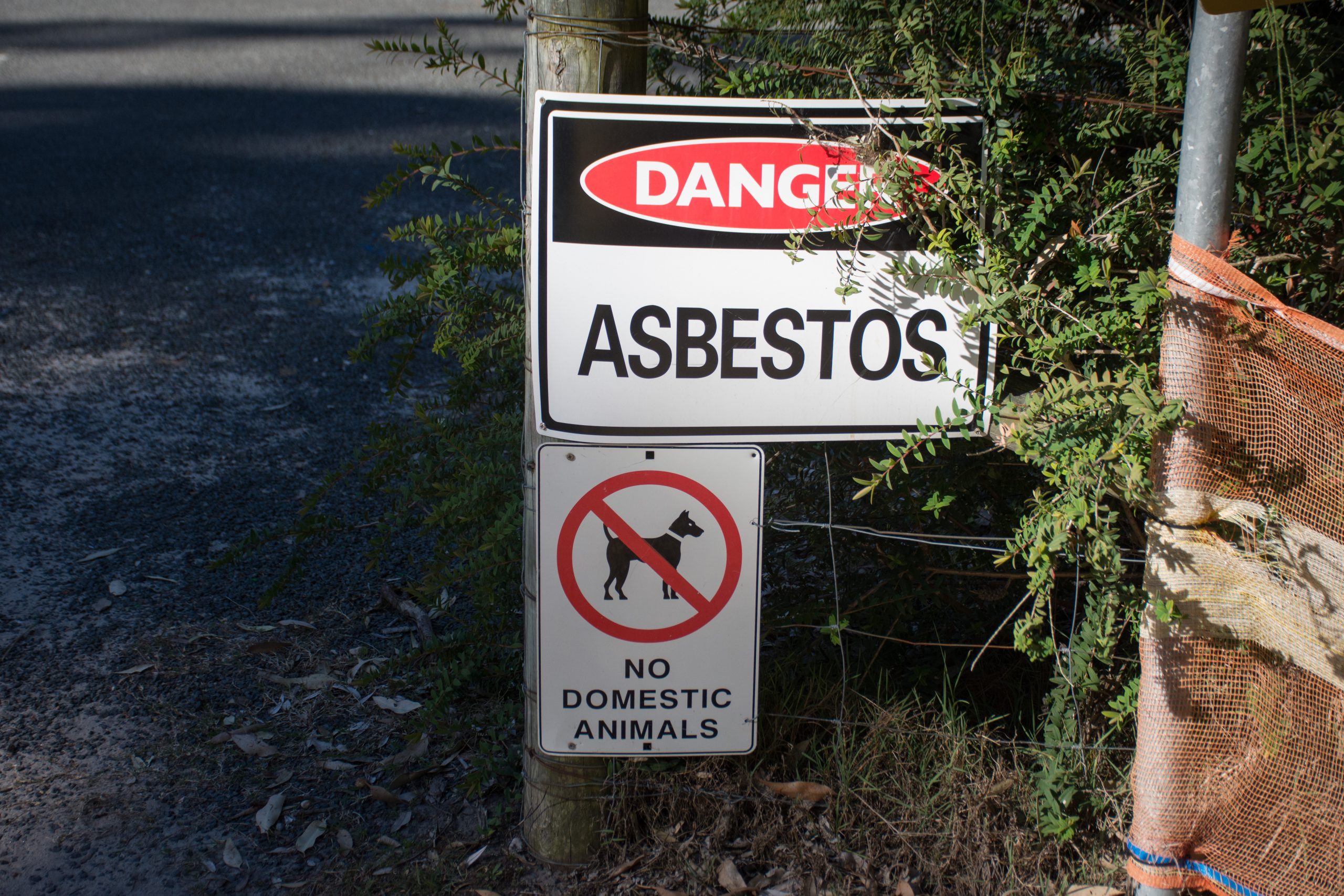
Planning a renovation in an older Calgary home means dealing with more than just cosmetic upgrades. When asbestos is involved, the timing and order of every step becomes critical. Our team makes sure hazardous materials are handled first, safely and thoroughly, so that every trade can work with confidence. Good coordination prevents mistakes, delays, and health risks, and that’s what we focus on during every project.
Identify All Hazard Zones Before Anyone Starts
Before any other trade steps inside, we need to know where asbestos materials exist. That’s the first step, and it often surprises people. Asbestos can be found in floor tiles, drywall mud, pipe insulation, duct wraps, and ceiling materials. It’s rarely in just one spot, and sometimes it’s not where people expect it.
We begin with a full inspection that targets all areas under renovation. However, we often extend testing to nearby rooms or structural components if needed. That’s because renovations tend to expand once work begins. Identifying all hazard zones upfront saves time later.
After testing, we create a clear outline of what needs to be removed and where. That outline helps everyone—general contractors, plumbers, framers—understand the safe work zones. If you’re planning renovations and want to get ahead of problems, it’s smart to review how we handle asbestos removal in Calgary and why inspection should always come first.
Set the Right Schedule for Containment and Clearance
As soon as asbestos is confirmed, we plan the removal before anything else begins. Our work relies on clean, sealed areas with no interference from other trades. Once containment is up, no one should enter the zone until the space passes final clearance.
We use plastic barriers, zipper doors, negative air machines, and decontamination units. These setups only function properly if undisturbed. It’s not safe to have electricians or carpenters working nearby, even if they’re just passing through.
After the abatement is done, a certified third-party performs air testing. If the air passes, we hand off the site. If not, we re-clean and retest. Renovation timelines should always include a buffer to handle these clearance checks.
Many delays we’ve seen could have been avoided with clearer scheduling. When contractors understand our timeline and know exactly when they can enter, everything moves faster. For homes with tight renovation windows, our approach to asbestos abatement procedures in Calgary homes helps keep projects on track and within budget.
Keep Communication Open With Every Trade on Site
A lack of clear updates can cause the biggest setbacks. We’ve seen it happen when one trade assumes an area is safe, only to start work in a space that hasn’t been cleared. That’s why we don’t just send out a report—we stay in contact.
We label hazard zones and provide updated maps that everyone on the project can follow. During the job, our lead coordinator remains available to answer questions and share real-time updates. If anything changes—like adding another wall demo—we respond immediately.
On multi-phase projects, we also return for repeat removal work. Maybe the attic gets cleared early, then flooring two weeks later. By staying in the loop, other trades don’t have to stop work or risk exposure. They just follow the updated plan.
Mistakes often come from guesswork. A quick heads-up can prevent days of delay. If you’re organizing multiple trades and need direct coordination with our team, the best step is to reach out through our Calgary asbestos contact form.
Sequence Work Based on Material Type and Disposal
Different asbestos materials require different approaches. For instance, wrapped insulation around pipes must be removed before plumbing begins. Old floor tiles might stay untouched until the subfloor is exposed. That sequence depends on how the renovation is staged.
We time each step to avoid interrupting other trades. Sometimes that means performing partial removal early, then returning after structural changes are complete. This flexibility ensures the work flows logically and avoids wasted effort.
Some materials also require special disposal coordination. We handle that process directly, arranging pickup and transport to approved facilities. That way, the site stays clean and ready for the next stage.
Planning by material type ensures safer results. It also prevents delays when disposal schedules get tight. Every item we remove follows a documented path. Matching that process with the renovation schedule allows us to support contractors instead of getting in their way.
Protect Non-Asbestos Areas from Dust and Damage
Our containment systems serve two purposes: they protect workers and shield the rest of the property. That’s especially important in homes where residents stay during renovation. Clean boundaries make a huge difference.
We use plastic sheeting, sealed doorways, and filtered air systems to control every particle. Still, even the cleanest setups need extra care. That’s why we always cover surfaces outside the work area and avoid high-traffic paths when moving materials.
Sometimes trades need access through spaces we’ve closed off. In those cases, we coordinate entry points or build temporary corridors. No one enters a zone unless we’ve cleared it or restructured containment. It keeps risk low and protects progress.
Even small oversights—like drilling into a shared wall—can spread dust and shut down a project. We work to prevent that by sharing our plans clearly and updating everyone before any step begins. If you’re looking for more details about proper asbestos cleanup planning in Calgary homes, understanding how we build and adjust containment is a good place to start.
FAQs About Coordinating Asbestos Removal With Renovations
How do I know if asbestos removal must happen before renovation starts?
If you’re renovating any home built before 1990, testing for asbestos should happen before demolition or structural work. If asbestos is found, it must be removed before trades start working in affected areas.
What happens if other contractors disturb asbestos materials by mistake?
Disturbing asbestos can expose everyone on-site to health risks. In most cases, work must stop until the area is cleaned, sealed, and retested. It often causes significant delays and added costs.
Can trades work in parts of the home while asbestos removal is happening?
Yes, as long as they stay outside the containment zones. We seal off all affected areas, so other work can continue in separate parts of the home.
How long does asbestos removal take during a renovation project?
Timing depends on the size and scope of removal. Some jobs take one or two days, while others require a week or more. Air testing and clearance can add another day or two.
Who manages scheduling between abatement and other trades?
We work directly with homeowners or general contractors to schedule our work. Our coordinator communicates with other trades to ensure a smooth handoff once clearance is approved.