
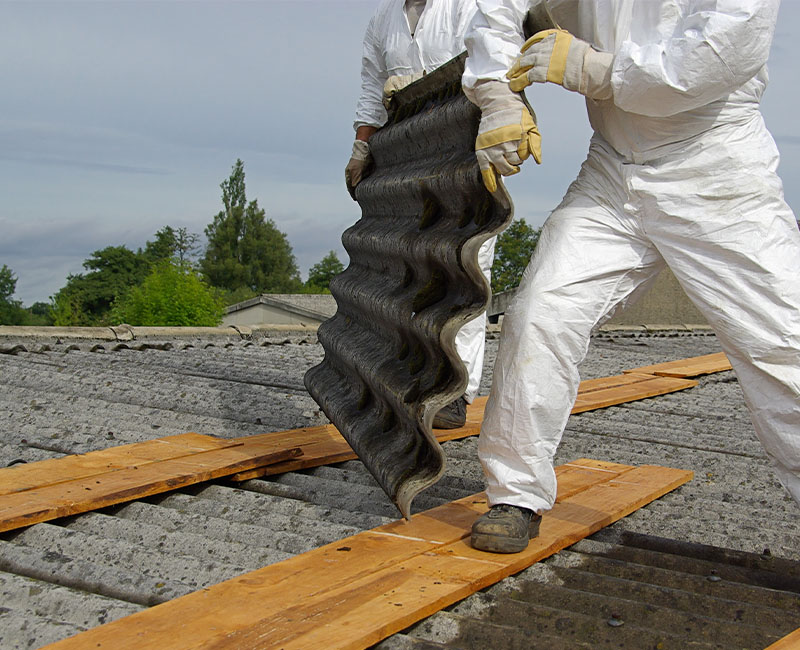
Home renovations often reveal surprises behind walls and under floors. Some are minor. Others are serious. One issue no homeowner wants to uncover halfway through a project is asbestos. Planning for it before demolition begins saves time, money, and safety concerns. We’ve seen firsthand how careful preparation makes all the difference.
Identify Which Areas May Contain Asbestos
First, focus on learning where asbestos may be hiding in older homes. Any material installed before the 1990s could include it. Floor tiles, ceiling texture, pipe insulation, plaster, duct wrap, and drywall mud are common examples. We never assume a surface is safe without testing. Some areas may look modern but still have layers underneath that were never removed.
Before any design planning, walk through the home and note surfaces that look original or haven’t been updated in decades. Pay close attention to basements, attics, and mechanical rooms. These spots often have older finishes that get overlooked. Creating a detailed inventory helps prioritize what needs testing and what might need complete removal.
Schedule Professional Testing Early
Next, make sure to schedule asbestos testing before any contractor begins work. No walls should come down, and no flooring should be pulled up until certified lab results are in hand. This isn’t something to guess or rush. Proper testing requires small samples taken with care to prevent contamination. We always follow strict collection protocols to keep everyone safe.
Testing early allows space to build a plan that fits both budget and timeline. If multiple rooms test positive, we can help map out stages to handle remediation one area at a time. During whole-home renovations, we sometimes test in batches to manage the scope. When results are clear, we know exactly what must be addressed and where we can safely proceed.
Plan Your Renovation Around Safe Zones
Sometimes, only part of a home tests positive for asbestos. In those cases, we structure the renovation around what we call safe zones. These are areas where construction can begin without waiting for abatement. For example, if upstairs bedrooms are clean but the basement tiles test positive, work can start above while basement planning continues.
Safe zone planning lets work begin without delay. It also prevents unnecessary exposure or cross-contamination. Our team seals off rooms that require asbestos removal in Calgary and uses negative air machines to isolate those zones. This planning step avoids pausing mid-project, which helps both clients and contractors stay on schedule.
For homeowners coordinating multiple trades, this stage is critical. Plumbers, electricians, and framers need to know which rooms are safe and which are not. It also helps avoid duplicated work or access issues. When we’re involved early, we help create safe workflows that keep crews efficient and protect everyone on site.
Budget for Abatement and Repairs
Every asbestos plan should include a line in the budget for abatement. This cost depends on the location, material type, and total square footage. In some cases, removal requires demolition of large sections of floor or ceiling. We don’t want clients to be surprised by this, so we help estimate based on test results.
Repairs after removal also matter. If plaster walls or textured ceilings are taken out, they will need to be patched, skim-coated, or reinstalled. Flooring removal might leave subfloors damaged or exposed. Planning for these follow-up tasks in the initial scope helps prevent last-minute costs. When done right, these repairs blend seamlessly with the rest of the renovation.
If you’re in the early stages of your renovation, it’s smart to understand the cost and process involved in asbestos removal in Calgary. This provides a clear view of what the full project timeline might look like and ensures no surprises along the way.
Coordinate With Permits and City Rules
Renovation projects in Calgary that involve asbestos also require coordination with local regulations. In most cases, abatement work must be reported, and some projects require permits from the city. It’s important to align your plan with those rules from the beginning. Missing a permit or failing to follow safety codes can result in fines or project delays.
We help ensure that the asbestos plan includes these steps early. This might involve documentation for proper disposal, arranging approved waste transport, or scheduling inspections. Calgary’s guidelines change occasionally, so it’s better to get up-to-date info before starting the work. Our team handles those details so the renovation can move forward without legal issues or missed requirements.
Depending on the project’s scope, a demolition permit might also be tied to proper asbestos clearance. When clients connect with us early, we guide them through the paperwork so nothing gets missed during inspections.
Choose the Right Timing for Abatement
Timing matters. If the home is fully occupied, removal work must be done in stages or scheduled around a temporary move-out. For large renovations, it may be safer and faster to handle abatement before anyone lives in the space. We work with families to decide what makes the most sense.
The best time to remove asbestos is before trades begin. Trying to cut and drill around suspect material is never worth the risk. When abatement is first on the schedule, crews have a clean and safe surface to build from. It also ensures that no one damages protective barriers or enters a room that hasn’t been cleared.
Planning ahead lets us set up proper containment, perform removal, and get air clearance testing completed before the next contractor arrives. This workflow makes the renovation process smoother and helps avoid setbacks from exposure concerns.
To begin this kind of organized project safely, it’s a good time to start with a full asbestos renovation consultation so everything fits into the master plan and meets required safety standards.
Avoid Common Mistakes With DIY Work
One of the biggest risks in older homes is when owners begin renovation work themselves. Pulling out old carpet, scraping ceilings, or sanding drywall without checking for asbestos can create serious problems. Even small projects, like replacing a vent cover, can stir up dust from materials behind it. We always recommend testing first, even for what seems like a basic job.
Homeowners sometimes try to remove suspect material on their own to save money. This often leads to higher cleanup costs later. Contaminated tools, shared air vents, and open trash bins can all spread fibres across clean areas. We’ve seen projects go from minor to major simply because there was no plan or protective setup.
That’s why it helps to speak with someone who understands local rules and safe handling procedures. If you’re unsure where to start, we recommend reaching out for a proper safety plan by using this contact us for asbestos consultation in Calgary form before any demo begins. Our crew can walk you through the best next steps.
Use a Written Plan to Guide Every Stage
Once testing is complete, results are in, and the home layout is reviewed, we always prepare a written plan. This plan outlines which rooms require removal, what materials are impacted, and the steps to isolate and treat each zone. It also includes disposal procedures, air testing timelines, and contractor access points.
A written plan helps everyone involved. Homeowners know what to expect. Builders get clarity on the work zones. Inspectors can follow the document to approve each phase. This coordination removes guesswork and reduces miscommunication between trades.
Some projects require updates to the plan as more areas are uncovered. We stay flexible and revise the strategy if new risks appear during demo. It’s much easier to adjust a written roadmap than to react to problems without any structure in place.
In every successful whole-home renovation, clear documentation plays a big role in finishing on time and avoiding extra costs. We build this plan alongside the renovation team, so all timelines and responsibilities stay aligned.
FAQs
What is the first step if I suspect asbestos in my home?
Start with a professional inspection and lab testing. This confirms if asbestos is present and where it’s located.
Can I stay in the house during asbestos removal?
In some cases, yes. But if large areas need removal, it’s often safer to move out temporarily to avoid exposure.
How long does asbestos removal usually take?
It depends on the size of the space and the material type. Some jobs take a few days, while larger ones may need a week or more.
Is asbestos always dangerous if it’s left untouched?
Not always. Undisturbed asbestos in good condition can sometimes be left in place, but any renovation work risks releasing fibres.
Do I need a permit to remove asbestos in Calgary?
Yes, many projects require permits and proper disposal tracking. We help clients stay compliant with city rules.