
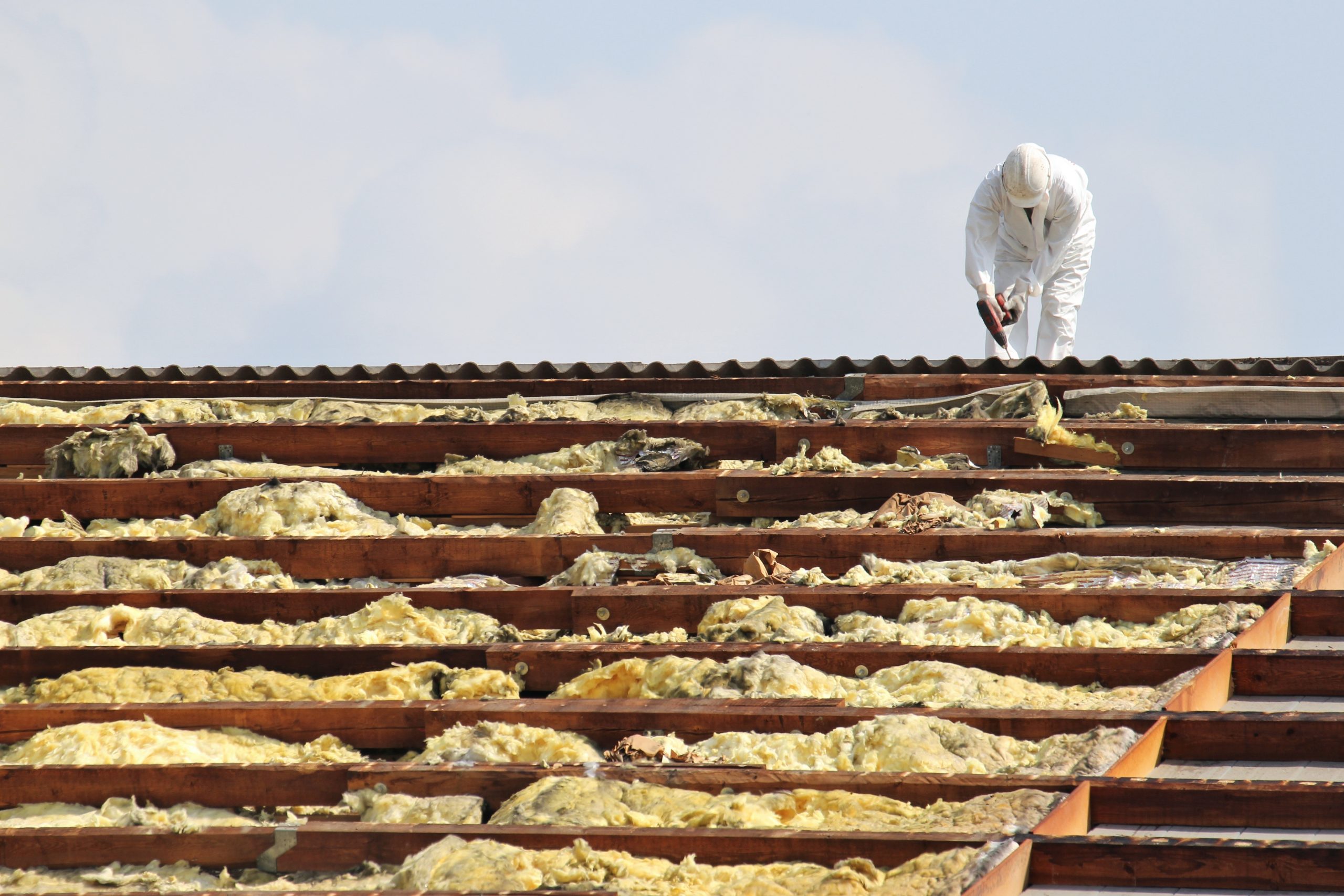
Asbestos fibres become a serious risk when they get released into the air. We use air monitoring to check fibre levels before, during, and after removal. This process helps us confirm that a space is safe to enter again. Whether it’s a residential home or a large commercial site, air quality results guide every decision we make. We never guess if it’s clean, we measure.
Initial Air Quality Check Before Abatement
We begin every project with a baseline air quality test. This tells us how many asbestos fibres are already in the air before any removal work begins. For many older properties in Calgary, this test is essential because past damage or renovations might have disturbed asbestos-containing materials without anyone noticing.
We place air pumps at breathing height and run them long enough to collect meaningful data. Filters from the pumps are then sent to a certified lab for analysis. This gives us a fibre concentration reading we can compare against later. It also helps us plan the right containment strategy.
Property owners looking into professional asbestos removal in Calgary should always make sure this step is part of the plan. It sets the groundwork for all safety decisions during the project.
Continuous Monitoring During Removal Work
As removal starts, we monitor the air both inside and just outside the containment zone. These zones are kept under negative pressure, but even small leaks can lead to fibre escape. Continuous testing helps us catch any issues early and stop work immediately if needed.
We use portable air sampling pumps positioned near exits, in clean rooms, and sometimes within the containment zone itself. These samples let us watch for spikes in fibre levels while crews work. If fibre counts rise unexpectedly, we adjust the containment setup or review the work methods.
Monitoring during abatement is not just about compliance, it’s about real-time protection for workers and anyone nearby. When asbestos removal in Calgary homes or offices is done properly, this monitoring is one of the key safeguards that ensures safety throughout the process.
Clearance Testing After Abatement
When the removal ends, we do a deep clean of the site. Then we test again. Final air clearance testing tells us if the air is truly safe for re-entry. This test happens after the area is cleaned, settled, and ready to go back into service.
We run the air pumps again, using clean filter cassettes to collect samples from multiple points. These are sent to the lab, where analysts check if the asbestos fibre levels fall below the required safety threshold. In most cases, that limit is 0.01 fibres per cubic centimetre.
If the samples pass, the space is cleared. If they don’t, we repeat the cleaning and re-test. This cycle continues until the area meets safety standards. It’s a process that leaves no room for shortcuts, and it confirms that no fibres are lingering after the work is done.
Where the Air Pumps Go and Why That Matters
Air sample results only matter if the equipment is placed correctly. We position the pumps where people are most likely to breathe—typically around four to six feet above the floor. This represents the average breathing zone.
Inside the work area, we place samplers near active abatement points, like wall cavities or ceilings. Outside the containment, we test near entrances and clean zones. For multi-level buildings, we may include basement and attic samples depending on how the air moves.
We avoid placing monitors near vents, fans, or open windows. These can distort airflow and impact results. Each monitor is carefully placed to reflect real exposure risks, not just convenient spots. We always plan placements based on layout and airflow in the building.
Interpreting Air Sample Results
Once samples are analyzed, we review the fibre concentration and fibre type. Concentrations are listed in fibres per cubic centimetre. The goal is to meet or fall below 0.01 f/cc, which is the clearance level for most environments.
Labs use microscopy to examine the filters. They check whether fibres are actually asbestos or something else, like harmless dust. Only asbestos fibres count toward the clearance standard. If asbestos fibres are present and exceed the limit, we take further action.
That may include re-cleaning, adjusting our methods, or improving ventilation. Final clearance only comes when every sample falls within the safe range. If you’re hiring a team for asbestos removal in Calgary properties, it’s okay to ask for a copy of the test results before moving back in. A clear report gives peace of mind.
Who Performs the Monitoring and How They Stay Unbiased
Air monitoring is usually done by a third-party consultant, not the removal team. This separation helps ensure the data is honest and free of conflict. The consultant sets up the sampling, collects the filters, and sends them to an independent lab.
We work closely with these professionals by sharing our containment layout and planned work areas. They use that information to place monitors strategically. When results come back, the consultant determines if the fibre counts meet clearance standards. If not, they explain what changes are needed.
In most larger or public buildings, third-party clearance is a requirement under safety codes. It provides a second layer of accountability and ensures no one re-enters a space that isn’t ready. It also supports legal compliance when dealing with regulated materials.
Monitoring Beyond the Work Area in Multi-Unit Buildings
In apartment buildings, condos, or offices with shared ventilation systems, we monitor more than just the abatement area. Fibres can move through ducts, stairwells, or even wall gaps. That’s why we often test the air in neighbouring units or common spaces too.
We place pumps in hallways, elevator lobbies, and sometimes the units above or below the work zone. These samples show us if any fibres escaped despite containment. If fibre levels outside the zone stay low, we know the controls are working.
This approach helps reassure tenants and building managers. It also avoids issues later, like complaints or re-cleaning bills. Anyone coordinating asbestos removal in Calgary buildings with shared infrastructure should expect extended air monitoring. It’s the only way to know the whole building remains safe.
What Happens If a Test Fails
Sometimes, a clearance test comes back above the safe limit. That doesn’t mean the work failed—it just means more cleaning is needed. The most common cause is settled fibres that were missed during cleanup.
When this happens, we review the full area and repeat all HEPA vacuuming and wet wiping. If needed, we adjust airflow or clean the containment itself. Then we take another round of air samples and wait for new lab results.
This cycle continues until every sample falls below the threshold. We do not cut corners or declare a space safe without proof. Failing a test may delay a project, but it also protects the people who will live or work in the space.
If you’re unsure what to expect after a job, it’s best to speak directly with your air consultant or ask questions during the process. For clear timelines and testing steps related to asbestos removal in Calgary homes or businesses, getting the facts early helps you plan properly.
FAQ
What is asbestos air monitoring?
It’s the process of sampling air to detect asbestos fibres during and after removal work.
When is air monitoring required?
Most jobs require it before work starts, during abatement, and again afterward for final clearance.
Who does the air monitoring?
Typically, a third-party consultant handles the sampling to avoid conflicts of interest.
How are the results reported?
Labs provide fibre concentration readings that must meet health and safety guidelines for the area to be cleared.
Is air monitoring optional for small jobs?
Even in small jobs, air monitoring is strongly recommended to ensure no hidden risks remain after work ends.