
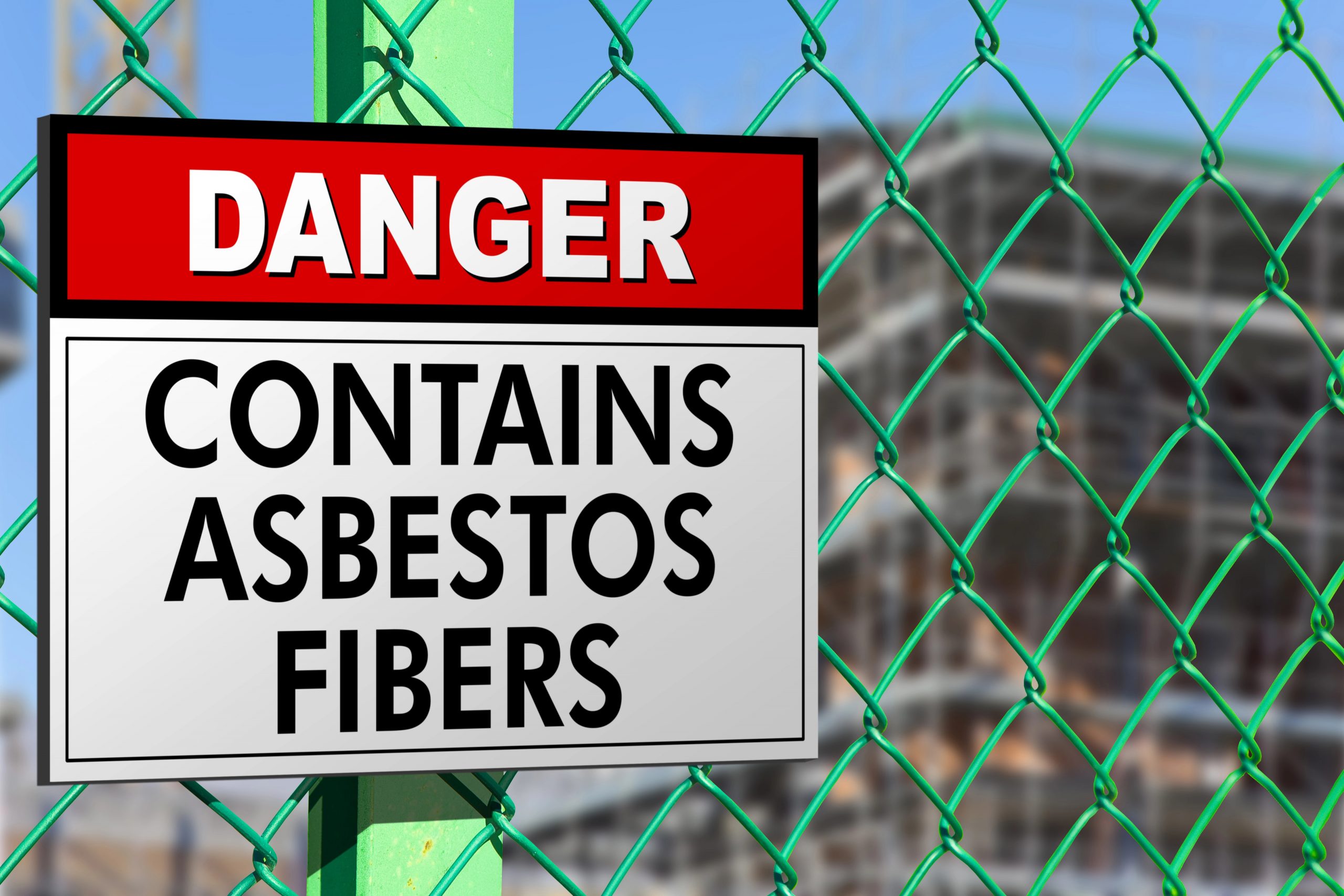
Asbestos remains a concern in many older Calgary homes, especially those built before the late 1980s. While most homeowners know the risks exist, many don’t realize that different home types face unique exposure points. Bungalows and two-storey houses often share common materials, but layout and structure influence where asbestos shows up and how it spreads. Knowing these differences helps us prepare for safe renovation or removal work before hazards grow.
Asbestos Exposure in Calgary Bungalows
Bungalows often seem simpler to renovate, but that can create a false sense of security when it comes to asbestos. These homes have most of their living space on a single level, which means asbestos-containing materials, when disturbed, can spread quickly throughout the house. We usually find asbestos in floor tiles, old duct wrap, or ceiling texture, and all of it sits close to bedrooms and kitchens.
Since there’s no upstairs to buffer contamination, asbestos dust can settle easily where people eat or sleep. For example, scraping a popcorn ceiling in a hallway could affect the air in every nearby room. Another risk involves the crawl space or basement. Older bungalows in Calgary often have exposed heating ducts wrapped in asbestos insulation. As a result, that material might break down over time or become disturbed during simple maintenance.
We always check attics too. Some insulation types used in bungalows include vermiculite, which may contain asbestos. That risk increases if past owners disturbed it during upgrades or storage use. For homeowners ready to start renovations, it’s worth booking a professional asbestos removal in Calgary before opening up floors or walls.
Why Two-Storey Homes Hide More Asbestos
Two-storey homes built before the mid-1980s often hold more hidden risks because of their layered design. Unlike bungalows, where most areas are easy to access, two-storey layouts hide materials behind walls, between floors, and inside closed ceiling cavities. That extra space may feel safer, but it often masks materials that can turn dangerous if not handled right.
Plumbing that runs between floors sometimes travels through walls packed with asbestos insulation. Cutting into drywall for a bathroom update or rerouting pipes for a laundry move can stir up hidden fibers. Flooring also presents a concern. We sometimes see vinyl tile or sheet flooring on the second level with asbestos backing. Removing this without proper containment can push dust through the house via air returns or ductwork.
Attic access differs too. Two-storey homes often have more complex attic spaces that previous owners may not have touched for decades. Some of those attic zones contain vermiculite or sprayed insulation that stayed undisturbed until someone tries to upgrade wiring or boost energy efficiency.
So, although the risk may feel distant, the real problem appears when work starts. Testing early prevents these surprises. Planning around Calgary asbestos abatement services helps reduce unnecessary exposure while saving repair costs later.
Mechanical Systems Carry Asbestos Through the Home
Another major difference between these home styles involves how asbestos moves through their heating and ventilation systems. Bungalows typically rely on short duct runs and small furnaces close to the living space. That makes detection and repair faster, but it also means any fibers released from duct wrap or vents can enter the air quickly and affect indoor quality.
Two-storey houses, however, often use longer duct systems with branch lines that extend through the entire house. If any of those sections include asbestos-wrapped joints or insulation near the furnace, it becomes harder to isolate. Removing those wraps requires careful sealing, since pressure differences between floors can pull loose particles from one level to the next.
We also pay close attention to cold air returns, especially those embedded in older walls. Some of them pass through bulkheads made from asbestos board. If those boards crumble or crack, small particles may enter the airflow and travel across multiple rooms without a clear source.
Both home styles face real risk here, but the spread patterns vary. Early planning, sealed containment, and filter use all help limit the danger during work. When clients reach out about professional asbestos remediation, we often start with the ventilation design. That gives us the clearest picture of how risks might move.
Differences in Flooring and Ceiling Risks
The type and location of flooring and ceiling materials often reflect the home’s design era and layout. Bungalows built in the mid-century often used 9-inch vinyl asbestos tiles across full levels, even under carpet. Since everything sits on one level, people walk across it daily. Any cracked or shifting tile can release fibers without any demolition.
We usually inspect basements first. These spaces often hold old tiles or adhesive mastic that tests positive for asbestos. In many cases, homeowners have already added floating floors or new carpet without removing the original layer. That traps the material and increases difficulty when it’s time for upgrades.
Two-storey homes bring more variety. Builders sometimes installed asbestos tiles only in utility areas like laundry rooms or upper hallways. But in some homes, we find asbestos-backed linoleum in bathrooms or closets upstairs. Ceilings differ as well. Bungalows lean heavily on textured popcorn finishes, while two-storey homes may mix popcorn, plaster, and tile panels across levels.
Scraping or drilling any of these without testing can turn a simple task into a cleanup. Safe asbestos removal often includes sealing off the space and using air scrubbers. We plan these jobs in stages, starting with air samples and floor patch testing before disturbing anything.
Roof and Attic Material Concerns
Calgary bungalows often feature low-slope or flat roofs with older vent systems. During roof replacements, we sometimes find vent pipes surrounded by crumbling asbestos cement. Removing that without protection sends debris down into the attic and, in some cases, through wall cavities into the home.
Attic insulation also creates concern. Vermiculite insulation, found in both home types, appears more often in bungalows due to age. However, two-storey homes have larger attic areas and more potential for cross-contamination. Someone accessing wiring or installing a bathroom fan can disturb old insulation and send it into the ventilation system.
We don’t rely on visual checks alone here. Our team collects insulation samples and sends them to certified labs for analysis. If we find any sign of asbestos, we seal the attic and use negative pressure systems before any further removal work begins.
In both house types, knowing what’s overhead matters just as much as checking walls and floors. Roof repairs, insulation upgrades, and vent replacements all pose risk when asbestos sits in the background.
FAQs
1. What year should my home be built after to avoid asbestos?
Most homes built after 1990 do not use asbestos materials. However, we recommend testing any home built before 1986 in Calgary before starting renovations.
2. Can I remove asbestos myself in a small area?
In Alberta, homeowners can technically remove small amounts themselves, but it’s strongly discouraged. Improper removal increases airborne risk and may violate disposal rules.
3. Does asbestos always cause health problems?
Not always. Asbestos is most dangerous when disturbed and becomes airborne. Long-term exposure increases the risk of serious lung disease, especially without protective gear.
4. How much does professional asbestos removal cost?
Cost depends on location, material type, and area size. Minor jobs might cost a few hundred dollars, while full removals can run higher. Quotes always follow testing.
5. How do I book a professional inspection?
You can speak directly with a technician through our asbestos abatement Calgary contact form to schedule a safe and certified home inspection.